
MEXICO 2.0 ¡Vamos a Veracruz!
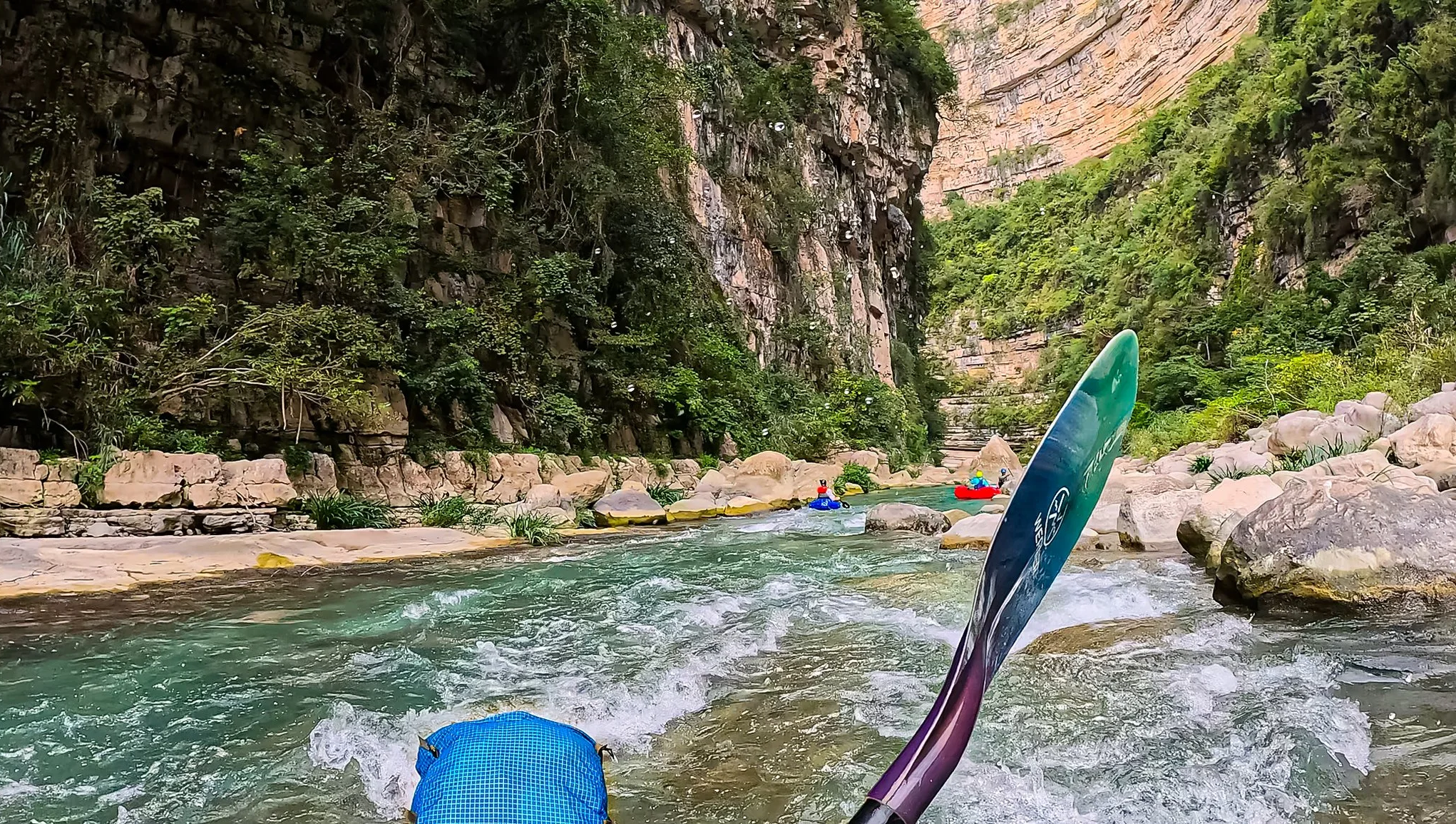
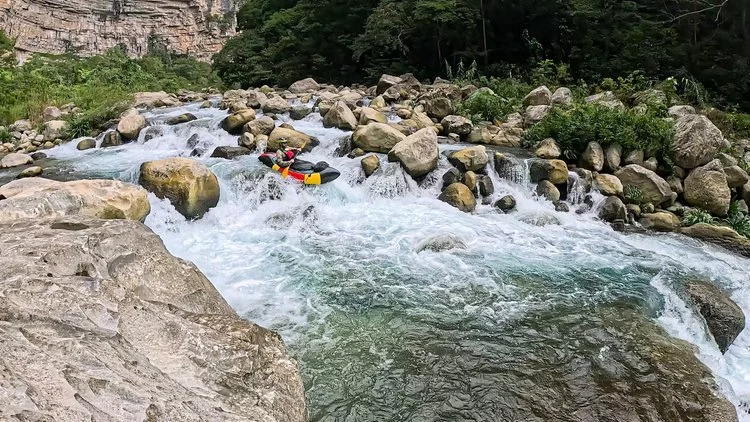
Well, as fate would have it, almost 2 years to the day we launched on Rio La Venta, I will be joining Rod and his amazing group of guides at Packraft Mexico in Vera Cruz! In 2024, I had the insane opportunity to run Rio La Venta with Rod, Doom, and a small group of packrafters. This year I will be joining a group of around 30 paddlers and Mexican local guides for a long weekend of splashy, bouldery goooooood goooooood in the river town of Jalcomulco, Vera Cruz, Mexico! To say I can’t fucking wait is an understatement.
The Paddling
Río Antigua/Río Pescados - Class II-III, with IV and harder in some sections.
Río Actopan - Class II–III, spring-fed, crystal-clear limestone river.
Important Gear considerations
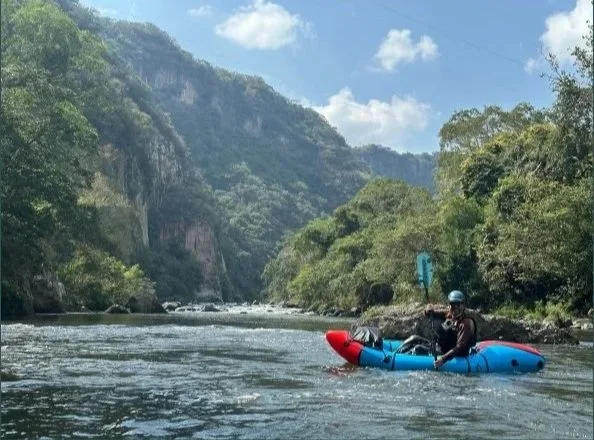
Because this is my second time paddling in Mexico, here’s a few key things I’ll be changings this time around…
Neoprene Layers - Without the sunshine or in the case of poor weather, the rivers can get a little colder than I anticipated, and I regretted not having these
Lightweight Wool Everything - The humidity on the river in Mexico is intense in some areas, and the dew point never drops enough for stuff to dry well. Synthetics really started to degrade and stink, but my wool Branwy Bra I splurged on and old Patagonia wool leggings did the best of any item I brought.
Biodiversity
“Types of vegetation: pine-oak forest, cloud forest, low deciduous forest, riparian vegetation, induced and cultivated grassland. Glens with well-preserved ecotonal communities and short basins that run through different altitudinal levels in small spaces; upper and lower basins degraded by deforestation and pollution. Mountain area with streams and springs. Characteristic flora: Brosimum alicastrum, Bursera simaruba, Cedrela odorata, Coccoloba barbadensis, Croton puntactus, Diphysa robinioides, Enterolobium cyclocarpum, Ipomoea imperati, Palafoxia lindenii, Panicum repens, Sesuvium portulacastrum, Sporobolus virginicus. Characteristic ichthyofauna: Astyanax fasciatus, Cathorops aguadulce, Ictiobus bubalus. Endemism of the amphibian Anotheca spinosa and the fish Heterandria sp. Threatened species: Gambusia affinis and Priapella bonita. The latter, and hylids in particular, are threatened by pollution; They are rare species and reproduce in bodies of clean water (integrity indicators). Little is known about the biodiversity of this region.”
REFERENCE: Priority Hydrological Regions
ORCHIDS
Vanilla (Vanilla planifolia)
Encyclia species (e.g., Encyclia cordigera)
Epidendrum species - Tall reed-like stems, orange/yellow/red blooms
Lycaste species
Oncidium (“dancing lady” orchids)
Pleurothallidinae (miniature orchids) - Tiny flowers, easily missed unless you’re looking
cool stuff i’m looking for!
Tropical riparian forest
Ceiba (Kapok) trees (Ceiba pentandra)
Bamboo/cane thickets
Epiphytes (orchids, bromeliads, air plants)
Limestone-adapted vegetation (Especially on the Actopan)
Green kingfishers & ringed kingfishers, Herons, and egrets
Tropical flycatchers & parrots
Iguanas
River turtles
Tree frogs and stream frogs
Freshwater fish (cichlids, livebearers)
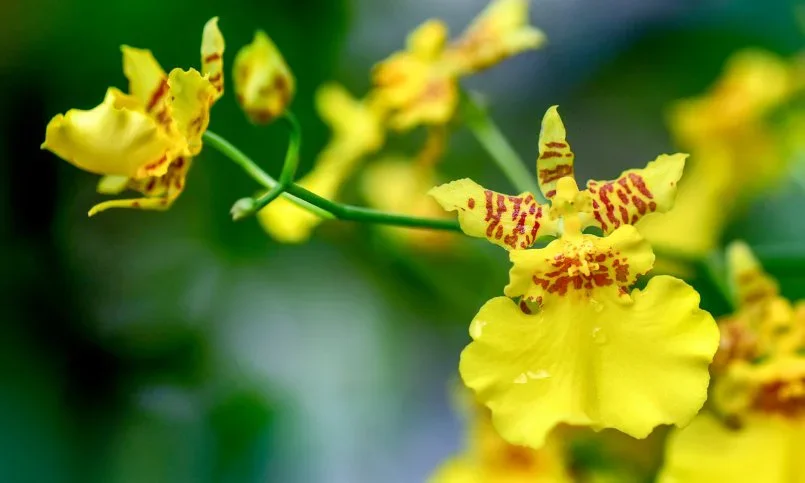
Source: Brilliant Orchids
Links / References
CONABIO (Mexico biodiversity authority)
https://www.gob.mx/conabio
iNaturalist – Veracruz orchids
https://www.inaturalist.org/places/veracruz-mx
AMO Herbarium (Asociación Mexicana de Orquideología)
https://www.herbarioamo.org
